29 October 2026
Best Menu Picks at a Cuban Bakery in Aurora CO
Presented by @paxtonnggt453
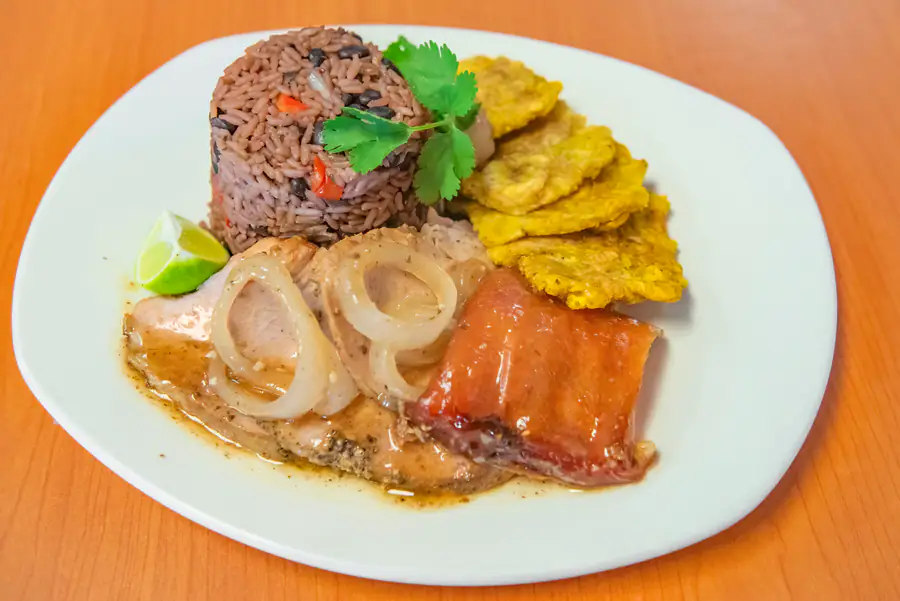
Walk into a good Cuban bakery early enough and the whole room tells you what to order before anyone behind the counter says a word. The sweet smell of guava and butter hits first. Then you notice the trays, some filled with tightly laminated pastries dusted with sugar, others stacked with savory turnovers that disappear fast once the breakfast crowd shows up. Near the register, there is usually a coffee setup pulling dark, fragrant shots that somehow smell stronger than the square footage should allow. It is the kind of place where the menu board matters less than the case.
For anyone searching for the best choices at a Cuban bakery Aurora CO locals actually return to, the trick is not ordering the most familiar item by default. Cuban bakeries reward a little curiosity. Yes, the Cuban sandwich earns its place. Yes, a café con leche and pastry can carry a whole morning. But the best experience usually comes from balancing sweet and savory, and from understanding which baked goods should be eaten immediately, which travel well, and which ones are worth saving for later in the day.
Aurora is a useful setting for this kind of bakery because the city has the right mix of regulars, commuters, and families looking for food with character. In a neighborhood bakery, you often see three kinds of customers in one line: somebody grabbing breakfast before work, somebody buying a box for the office, and somebody placing a more serious order with enough pastelitos and croquetas to feed a birthday party. That variety says a lot about the menu. A Cuban bakery is not just a dessert stop. It is breakfast counter, lunch option, coffee bar, and community meeting point.
What makes a Cuban bakery menu different
The first thing to understand is that a Cuban bakery case is built around texture as much as flavor. Crisp pastry shells, soft enriched breads, creamy fillings, and fried snacks all sit within a few feet of one another. That range can make ordering feel overwhelming if you have never spent time in one. It helps to think in categories.
There are laminated pastries, usually folded around fillings like guava, cream cheese, coconut, or meat. There are heartier hand pies and empanada-style items built for breakfast or a quick lunch. There are fried bites such as croquetas, which are easy to underestimate until you bite into one that is still hot. Then there are the breads and pressed sandwiches, which can turn a bakery visit into a full meal. Coffee ties it all together. A strong Cuban coffee does more than wake you up. It sharpens the salt in ham, lifts the sweetness in guava, and keeps rich pastry from feeling too heavy.
In Aurora, altitude adds a quiet layer to the experience. Baking in Colorado is not the same as baking near sea level, and anyone who has spent time around pastry knows humidity and elevation can change the final result. A bakery that turns out crisp puff pastry and tender bread consistently in this environment is doing real work behind the scenes. That is worth respecting when you choose what to try first.
Start with the pastry case, not the sandwich board
People often scan straight for the biggest lunch item because it feels safe. I think that misses the point. The pastry case is where a Cuban bakery shows its personality. You can tell within seconds whether the bakers care about proportion. Guava filling should not flood out of the pastry. Cream cheese should taste tangy, not flat. A savory turnover should feel substantial but still flaky, not dense or greasy.
The best first order is usually one sweet pastry and one savory item, plus coffee. That gives you a better sense of the kitchen than any single sandwich can. If one side of the menu is strong and the other side feels neglected, you will know right away.
Freshness matters more here than in many other bakery styles. A pastry that has sat too long loses the shattering top layers that make it memorable. Croquetas can go from creamy to stodgy if they wait too long under heat. Bread can dry out. If you arrive in the morning, ask what came out recently. In most bakeries, that question gets a more honest answer than asking what is popular, because popularity and quality are not always the same thing at any given hour.
The menu picks that rarely disappoint
If someone asked me to narrow a Cuban bakery order down to the items most worth trying first, these would be the strongest bets.
-
Pastelito de guayaba y queso
This is the pastry that turns curious first-time visitors into repeat customers. Guava paste brings floral sweetness and a little tang, while cream cheese softens the edges and adds enough salt to keep the pastry from drifting into candy territory. A good version has visible layers, a glossy top, and filling that stays mostly centered. Eat it while the exterior still flakes onto the bag. -
Ham croquetas
They look modest, almost plain, which is part of the trap. A proper croqueta has a thin, crisp crumb coating and a smooth interior that tastes deeply savory without becoming salty. Ham is the classic choice, and it pairs beautifully with coffee. If you are building a mixed box for a group, these disappear faster than almost anything else. -
Cuban sandwich on fresh bread
This is the lunch anchor, but only when the bread is right. The ideal loaf is light, slightly crisp outside, and compresses just enough under the press without turning flat or tough. Roast pork, ham, Swiss cheese, pickles, and mustard need balance. Too much mustard dominates. Too many pickles make the sandwich watery. When the ratio is right, every bite tastes clean, rich, and bright at once. -
Beef or chicken empanada
These are practical orders because they travel well and hold their texture better than many pastries. The best ones have seasoned filling with enough moisture to stay tender, but not so much that the crust softens. If you need something substantial and portable, this is often the smartest pick. -
Café con leche
It is easy to treat the coffee as an accessory, but in a Cuban bakery it is part of the meal. Café con leche should be strong and smooth, not burnt, with enough milk to round it out without muting the coffee. Paired with a pastry, it turns a quick stop into an actual breakfast.
That list covers the essentials, but it is not the whole story. Some of the best bakery visits happen when you add one item that feels less obvious.
The sweet spot, guava, coconut, custard, and the pastries worth lingering over
Guava gets most of the attention, and for good reason. It is distinct without being aggressive, sweet but not one-note. Still, a Cuban bakery with range will usually offer other fillings that deserve your attention. Coconut pastries can be excellent when the filling stays moist and aromatic rather than sugary and dry. Custard-based pastries reward bakers who know restraint. The filling should taste of egg and vanilla, not just sweetness, and the pastry around it should still contribute texture.
I have always liked watching what experienced customers buy by the half dozen instead of by the piece. It is almost never random. They know which pastry remains good on the drive home, which one should be eaten in the parking lot, and which one appeals to children versus adults. Guava and cheese is the all-purpose crowd-pleaser. Coconut skews a little more nostalgic. Custard often lands best with people who prefer softer sweetness and less fruit.
There is also the matter of sugar on top. A light dusting adds contrast and sparkle. Too much can hide flaws, especially if the pastry itself lacks butter flavor or the filling is sparse. If the pastry looks beautiful but feels oddly heavy in your hand, that is often a warning sign. Good puff pastry has some lift.
Savory orders for breakfast, especially if you arrive before midmorning
Breakfast at a Cuban bakery is one of the better values in casual eating because it satisfies on several levels at once. You get warmth, crunch, salt, and caffeine, usually without waiting long. The strongest morning order for many people is not a full sandwich, but a combination of smaller pieces.
A croqueta tucked into bread with coffee makes more sense than it might sound. So does a ham pastry with a café con leche if you want something compact. Egg-based items can be good too, though they vary more by bakery. Some places handle eggs gently and turn out breakfast sandwiches with real tenderness. Others overcook them in the rush. When in doubt, go with the items that can be assembled around components the bakery already excels at, meaning pastry, cured meats, bread, and coffee.
If you are feeding more than one person, variety wins. One of the pleasures of a Cuban bakery is sharing, tearing, and tasting across the box. You get a better read on quality that way. It also prevents the common mistake of filling up on a single heavy sandwich when the pastry side of the house may be the more interesting part of the menu.
Why the Cuban sandwich still earns its place
No article about a Cuban bakery Aurora CO readers might visit would be complete without giving the Cuban sandwich its due. The problem is that many people judge it only by size. That is the wrong metric. A great Cuban is not just stacked high. It https://mylesqvia816.wordcanopy.com/posts/cuban-bakery-aurora-co-fresh-bread-pastries-and-more is composed well.
The bread matters first. It needs structure, but it should not fight your bite. Then comes pork, which should taste seasoned and roasted rather than merely present. Ham adds salt and chew. Swiss contributes fat and mild nuttiness. Pickles bring acid and snap. Mustard cuts through everything. Heat from the press melds it together and turns separate ingredients into one flavor.
This is also an item where timing matters. A Cuban sandwich eaten immediately has a totally different character from one carried around for half an hour. The crust softens, steam changes the crumb, and the pickles can begin to dominate. If you are ordering a sandwich for later, ask for it less pressed if the bakery allows that. If not, know that the pastry case often holds up better for delayed eating.
The underappreciated role of bread
Bakery bread rarely gets top billing in casual conversation, but it should. A house bread that is excellent on its own is a sign of a serious operation. In many Cuban bakeries, the bread anchors everything from sandwiches to breakfast pairings. Pull it apart and look at the crumb. It should feel airy but not hollow, with enough elasticity to bounce back lightly. The crust should break rather than crack into hard shards.
A lot of customers never buy a loaf because the pastries are more eye-catching. That is understandable, but it leaves value on the table. Fresh bread from a bakery can rescue an easy dinner at home. Add roast pork, butter, or even just a little ham and cheese, and you have something better than most rushed takeout. If you are already making a stop, bread is often the smartest add-on.
Ordering for a group without ending up with a box of leftovers
Large orders are where practical judgment matters. Variety is good, but random variety can create waste. Rich pastries fatigue the palate if there are too many similar sweet fillings. Savory items vanish first in many mixed settings, especially offices and family gatherings where not everyone wants sugar before noon.
The best approach is to mix textures and sweetness levels. A box with only delicate pastries can feel repetitive. A box with only fried snacks can feel heavy. Think about contrast instead. In real life, the order that disappears fastest usually includes something flaky, something creamy, something meaty, and plenty of coffee nearby.
If I were building a balanced bakery order for a small group, I would keep these points in mind:
- Choose at least one classic guava pastry because almost everyone will try it.
- Add more savory pieces than you think you need, especially croquetas and meat-filled pastries.
- Include coffee early in the plan, not as an afterthought.
- Favor items that hold up for thirty to sixty minutes if the box is traveling.
- Order extra napkins, because good puff pastry is delicious and not tidy.
That is enough structure to avoid mistakes without overthinking a simple pleasure.
What to notice when you are deciding whether a bakery is truly good
The best bakeries reveal themselves in small details. Watch the turnover of the case. If trays are being refreshed steadily, that is a positive sign. Listen for what regulars ask by name. Look at whether the pastries are all the same color or whether some appear overbaked while others look pale. Consistency counts.
Then pay attention to how the staff answers a basic question. Ask what is freshest, or what item they would pair with coffee. A bakery team that knows its product usually gives useful guidance quickly. That kind of confidence is different from a hard sell. It comes from seeing what people reorder and understanding which items shine at certain times of day.
Temperature matters too. Warm pastries are not always best, but many Cuban bakery items show themselves most clearly when they are fresh and slightly warm rather than refrigerated or left under dry heat too long. If a cheese pastry feels rubbery or a croqueta shell has gone soft, the bakery may be having an off hour. That does not always mean the place is bad. It may simply mean you came at a lull between batches.
A few combinations that work especially well
Some pairings are better than others, and they are worth remembering. Guava and cheese pastry with café con leche is the classic for a reason. The coffee reins in the sweetness and the dairy in both elements echoes each other nicely. Ham croquetas with a small coffee make a compact breakfast that feels more substantial than it sounds. A Cuban sandwich with a sweet pastry to share gives you a lunch that ends on a bright note without needing a separate dessert stop.
One combination I recommend often is a savory pastry first, then a sweet one later in the morning. That spacing keeps your palate fresh and lets each item do its job. Too many people eat the pastry first because it looks irresistible, then wonder why the sandwich feels heavy. Sequence matters more than most menus suggest.
The best order depends on why you are there
There is no single perfect menu pick divorced from context. If you are commuting, portability matters more than delicacy. If you are meeting a friend and staying awhile, order the item that is at its peak in the moment, even if it is messier. If you are bringing a box home, favor pastries and savory hand-held items that can survive the ride.
For first-time visitors, the smartest move is still balance. Order one signature sweet, one signature savory, and coffee. From there, let the bakery tell you what to explore next. Maybe the pork sandwich steals the show. Maybe the guava pastry resets your expectations for what a bakery can do with fruit. Maybe the humble croqueta is the thing you keep thinking about later that afternoon.
That is the real appeal of a strong Cuban bakery Aurora CO diners can rely on. It offers more than a single famous item. It gives you a menu where breakfast, lunch, pastry, and coffee all talk to each other. Done well, the experience feels generous, efficient, and deeply comforting without ever becoming dull. You walk in expecting a quick bite and leave planning what you will order next time.
Cuba Bakery & Café
15028 E Mississippi Ave, Aurora, CO 80012
+1 303-752-2822
FAQ About Cuban bakery Aurora CO
What are Cuban pastries called?
Many small Cuban pastries are called pastelitos. They can have sweet or savory fillings, such as guava, cheese, guava and cheese, or seasoned meat. Cuba Bakery & Café lists guava, cheese, guava-and-cheese and beef pastries on its menu. Ask the bakery about current availability and ingredients when ordering.
What are traditional Cuban pastries?
Common Cuban bakery choices include flaky pastelitos filled with guava, cheese or meat. Cuban bakeries may also offer empanadas, breads and desserts alongside coffee. Cuba Bakery & Café lists pastelitos, several empanada fillings, pan Cubano and desserts such as tres leches and bread pudding. Selection can vary, so confirm the day's choices with the bakery.
What makes Cuban bread different?
Cuban bread is known for its light interior and a thin crust that becomes crisp when toasted or pressed. Traditional recipes often use lard, although ingredients vary by baker. It is commonly served as buttered toast or used for Cuban sandwiches. Cuba Bakery & Café lists pan Cubano and tostada on its menu; ask staff about the ingredients in their bread if you have dietary restrictions.