29 October 2026
The Most Popular Items at a Cuban Bakery in Aurora CO
Presented by @paxtonnggt453
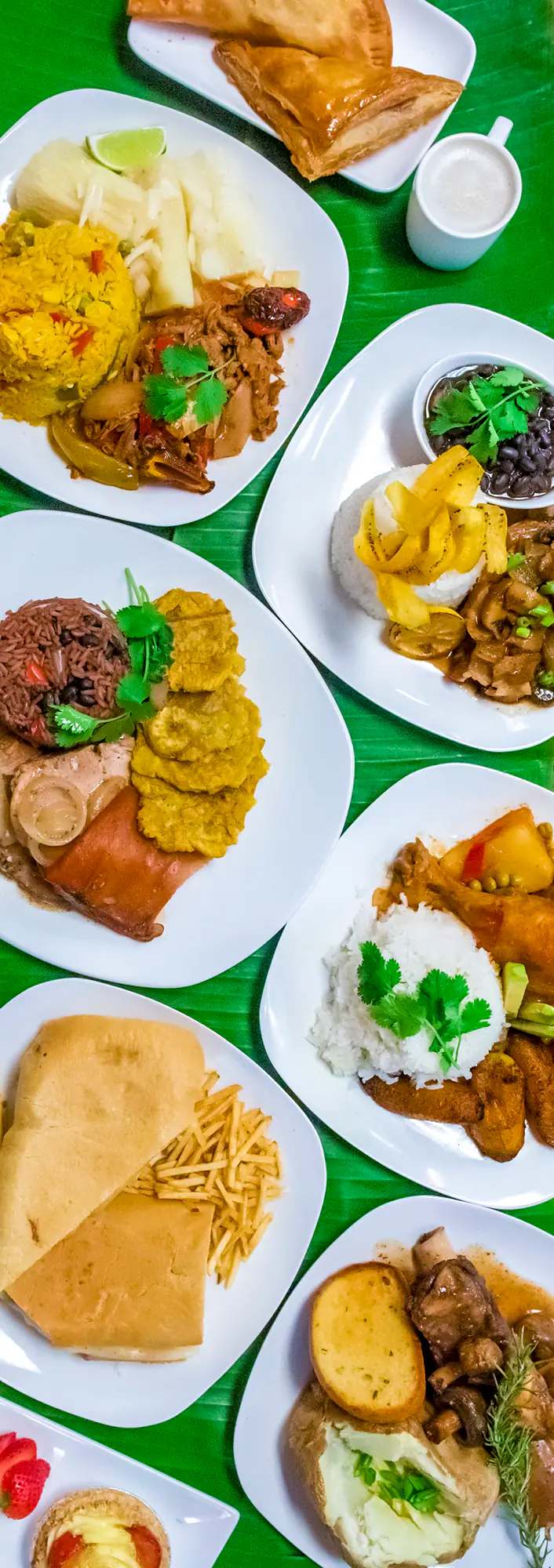
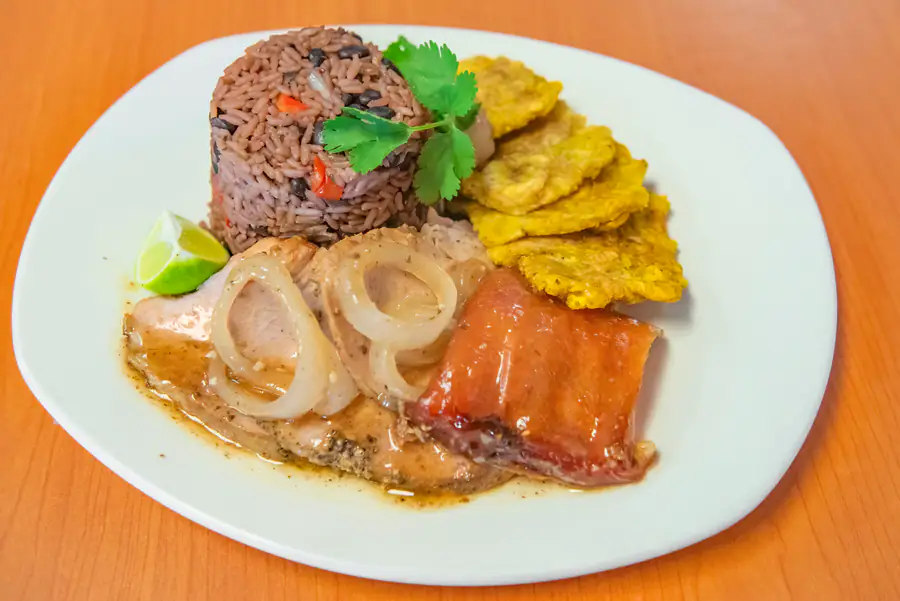
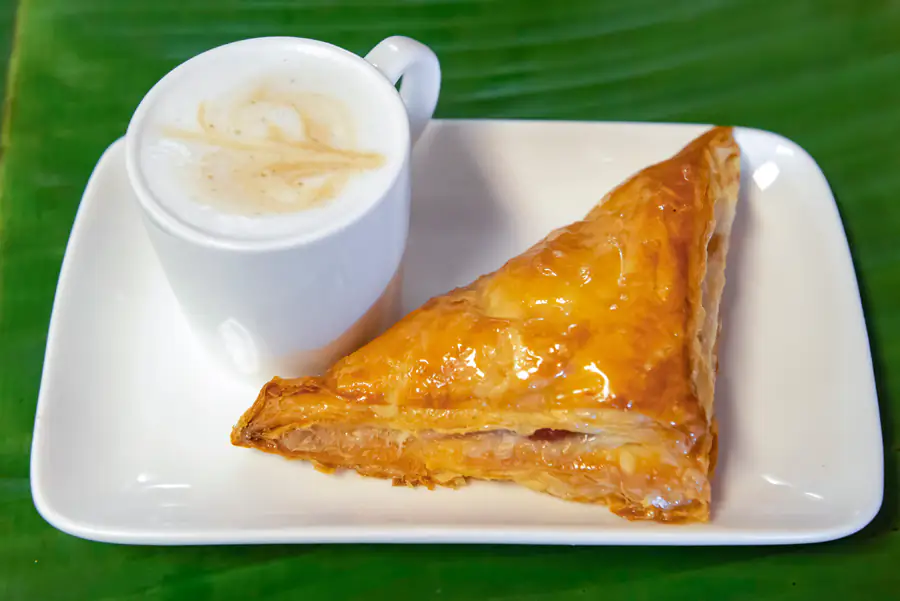
Walk into a good Cuban bakery early in the morning and the first thing that hits you is not just the smell of butter, sugar, and espresso. It is momentum. Trays are moving. Someone is calling out a coffee order in a clipped rhythm. A family is deciding between guava and meat pastries. Another customer already knows exactly what they came for and leaves with a pink bakery box under one arm and a tray of cafecitos in a cardboard carrier.
That energy matters because a Cuban bakery is not simply a pastry shop. It is part breakfast counter, part lunch stop, part coffeehouse, part neighborhood gathering place. In a city like Aurora, where diners often want both comfort and speed, the best-loved bakery items tend to be the ones that deliver flavor fast and feel generous without being fussy. When people search for a Cuban bakery Aurora CO residents actually return to again and again, they are usually looking for more than novelty. They want the classics done properly.
Some items become popular because they are instantly recognizable. Others win people over because they strike a balance that is harder to pull off than it looks, flaky but not dry, sweet but not cloying, rich but still easy to eat on the go. The most popular case items in a Cuban bakery tend to earn their status the same way any classic does, by being dependable, satisfying, and hard to stop at just one.
Why the pastry case tells you almost everything
A pastry case is a quiet test of discipline. Cuban baking, especially at the everyday bakery level, is built on consistency. The dough has to hold up through a busy service. Fillings cannot leak, sugar toppings should not melt into a sticky glaze too soon, and laminated pastries need enough structure to stay crisp for a reasonable stretch of time.
That is why the most popular items are rarely the most elaborate. The stars are usually the pieces that have stood up to repetition over years of customer demand. A guava pastry has to look inviting at 7:30 in the morning and still tempt the late customer who walks in at noon. A meat pastry has to remain flaky without turning greasy. Cuban bread has to crackle lightly at the crust and stay tender inside. None of that happens by accident.
In Aurora, where dry air and altitude can affect dough behavior, good bakers make quiet adjustments. Hydration, proofing time, and bake time all need attention. A pastry that would hold moisture differently at sea level may need a more careful hand here. Customers may not see that work, but they taste it.
The pastry that almost always sells first: pastelitos de guayaba
If one item defines the sweet side of a Cuban bakery, it is the guava pastry. Sometimes it appears as a square, sometimes a slim rectangle, sometimes a turnover shape, but the appeal is the same. You get a crisp, layered shell and a stripe or pocket of guava paste that turns soft and fragrant in the oven.
Guava is one of those flavors that newcomers often underestimate. They expect it to be candy-sweet, then find it has a gentle tartness and a floral edge that cuts through the richness of the pastry. That contrast is the whole point. A well-made guava pastelito does not taste one-note. It opens sweet, finishes bright, and leaves enough interest that another bite feels justified.
At a busy Cuban bakery in Aurora CO, guava pastries tend to move quickly because they work at several times of day. They make sense with coffee in the morning, as a midafternoon sweet, or as something to bring to an office when doughnuts feel too predictable. They also travel well. That matters more than people think. A pastry that can survive the car ride and still taste good at the destination earns loyal customers.
The best versions have visible lamination and a filling that stays in place. Too little guava and the pastry feels dry. Too much and it becomes jam-heavy, overwhelming the dough. When bakers get the ratio right, it feels effortless.
Guava and cheese, the crowd-pleaser that converts skeptics
If plain guava is the classic, guava with cream cheese is often the bestseller for customers who want something richer. The combination works because the cheese softens the fruit’s intensity and adds a mild tang. You get sweet, salty, creamy, and crisp in the same bite.
This is usually the pastry that wins over first-timers. It is familiar enough to feel safe, thanks to the cream cheese, but distinct enough to stand apart from standard American bakery fare. Anyone who likes danishes often likes this version, though it is usually less delicate in character and more direct in flavor.
A good guava and cheese pastelito should not taste heavy. The cream cheese needs to be present, not piled on. When it is overfilled, the pastry can bake unevenly and lose the snap that makes it so satisfying. The stronger baker’s move is restraint. Enough filling to create contrast, enough pastry to keep structure, and a light dusting of sugar if the style calls for it.
In practical terms, this is one of the safest things to order if you are picking up a mixed box for a group. People who say they only want “something small” somehow end up reaching for this one first.
Savory favorites: beef pastries and ham croquettes
Not everyone walks into a Cuban bakery looking for sweets. Savory items often build the steadiest daily business because they can cover breakfast, lunch, or a quick snack between errands.
The beef pastry, often called a pastelito de carne or simply a meat pastry depending on the bakery, is popular for a reason. The filling is usually seasoned ground beef with onion and spices, sometimes with a slight tomato note, and the pastry shell provides the contrast. When done right, it eats like a complete small meal. It is substantial without being bulky.
Texture is what separates a forgettable meat pastry from one people specifically come back for. The filling should be moist but not loose. The pastry should fracture lightly rather than crumble into dust. Seasoning matters too. Cuban savory pastries do not usually rely on heat. They rely on balance. Onion sweetness, meat richness, a little salt, perhaps a hint of pepper, all carried in warm pastry.
Then there are croquetas, especially ham croquettes. These occupy a different lane but enjoy near-universal popularity. A croquette is not flaky. It is creamy inside, crisp outside, and deeply snackable. In many Cuban bakeries, ham croquettes are as routine as coffee. People order them singly, by the half-dozen, or tucked into bread.
A good croquette should hold shape without being dense. The interior filling should be smooth and savory, not gummy. In a busy bakery, croquettes also serve as a gateway item for customers who may not know much about Cuban baking. They are easy to understand, easy to carry, and highly repeatable.
The sandwich that can outshine the pastries
Any honest conversation about the most popular items at a Cuban bakery has to include the Cuban sandwich. In some shops, the sandwich side of the operation can be just as important as the pastry case. A proper Cuban sandwich depends on balance more than abundance. Roast pork, ham, Swiss cheese, pickles, and mustard are pressed inside Cuban bread until the outside is crisp and the interior layers meld.
What makes this bakery food rather than just deli food is the bread. Fresh Cuban bread changes the whole equation. It has a thinner crust than many rustic loaves and a light interior that compresses well under the press. If the bread is too tough, the sandwich turns into a jaw workout. If it is too soft, the fillings dominate. The sweet spot is a loaf that toasts into a delicate shell while still yielding easily when you bite through it.
In Aurora, sandwiches can be especially popular around lunch because they offer something more substantial than a pastry while still feeling distinct from standard fast casual options. A customer can come in for coffee and a pastry one day, then return for a pressed sandwich the next. That versatility is part of what makes a Cuban bakery such a durable local business model.
Some bakeries also serve medianoche, a close cousin of the Cuban sandwich on a softer, slightly sweeter roll. It appeals to people who want the same flavor profile with a gentler texture. If both are available, you will usually see loyalists on both sides.
Cuban bread, quietly doing most of the heavy lifting
Bread rarely gets the spotlight it deserves because it often arrives as a supporting actor. Yet in many bakeries it is one of the most frequently purchased items. Fresh Cuban bread goes home in paper sleeves, under arms, into family dinners, and straight onto countertops where someone tears off the end before the bag is even set down.
Its popularity makes sense. Good bread solves dinner. It becomes toast in the morning, a sandwich at lunch, and a side for soup or beans at night. For a bakery customer, a loaf offers practical value alongside pleasure.
The challenge is that simple bread leaves nowhere to hide. In dry climates, maintaining tenderness can be harder. Bakers have to manage fermentation and bake carefully to preserve that characteristic light crumb. The result should be airy but not insubstantial, with a crust that gives a little resistance before yielding.
When a bakery’s bread is consistently good, locals build routines around it. They may come in for pastries on weekends but stop by for bread during the week. That pattern is one reason bread can be one of the most important popular items even if it looks less flashy than the sugar-dusted pastries beside it.
The coffee counter effect: why cafecito boosts everything around it
Cuban bakery popularity is never just about solid food. Coffee shapes ordering habits in a major way. A small, potent Cuban coffee, often served sweet, has a social function as much as a culinary one. It sharpens appetite, encourages one more pastry, and turns a quick errand into a small ritual.
Customers who might otherwise skip a sweet often add a guava pastry when they order coffee. Someone waiting on sandwiches may ask for a croquette “while I’m here.” That is the coffee counter effect. It increases interaction with the case, and over time it helps establish which items become daily staples.
Milk-based coffee drinks also play a role. Café con leche remains one of the most common pairings with pastries, especially in the morning. The creamy body of the drink softens the edges of sugar and pastry, making a simple breakfast feel more complete than it really is. It is difficult to overstate how often the most popular bakery items are chosen not in isolation, but as part of a coffee habit.
Cakes, celebration pastries, and the weekend rush
Daily popularity belongs to pastries, sandwiches, bread, and coffee, but bakeries also earn business from celebrations. Depending on the shop, you may see tres leches cake, flan, and decorated cakes for birthdays and family events. These are not always the highest-volume items by count, yet they matter because they tie the bakery to milestones.
Tres leches remains especially popular because it is both festive and accessible. People who do not know much about Latin desserts usually understand cake soaked in milk and topped with cream. The best versions stay moist without becoming soggy. That balance is harder than it sounds. Too much soak and the cake collapses into sweetness. Too little and it misses the lush texture customers expect.
Flan can also become a repeat purchase item, though it behaves differently from pastries in the case. It is not an impulse grab in quite the same way. Customers often buy it because they know they want it. For that reason, flan tends to do well in bakeries with an established customer base.
Weekends are when these broader offerings become more visible. Families stop in after morning activities, people pick up trays to share, and larger orders go out the door. A bakery that feels moderate on a weekday can feel much busier on a Saturday when pastry boxes, loaves of bread, sandwiches, and desserts all move at once.
What regulars usually notice before tourists do
Regular customers tend to judge a bakery by a few practical details. First is turnover. A busy case usually means fresher product, though not every tray needs to be full all day to prove quality. In fact, a partially cleared shelf at the right hour can be a very good sign.
Second is consistency. One excellent pastry followed by a mediocre one does not build loyalty. People return when the guava filling tastes right every time, the https://edgarqhuj615.lakeviewbrief.com/posts/how-cuban-bakery-aurora-co-brightens-your-morning bread holds up, and the sandwich press gives the same crisp edge on a Tuesday that it did on Saturday.
Third is the savory side. Many first-time visitors focus on sweets, but regulars often pay just as much attention to croquettes, sandwiches, and bread. Those items reveal whether the bakery understands daily eating, not just display-case appeal.
Finally, regulars notice hospitality. Cuban bakeries often move with speed, but the best ones never feel cold. There is a difference between efficient service and rushed service. Customers come back when they feel recognized, even briefly.
How to order if it is your first visit
If you are visiting a Cuban bakery in Aurora CO for the first time, the safest move is variety. Order one sweet pastry, one savory item, and a coffee. That trio tells you a lot about the bakery’s strengths. You will get a read on lamination and sweetness from the pastry, texture and seasoning from the savory item, and balance from the coffee program.
A guava or guava-and-cheese pastry is the obvious place to start because it is central to the style. Pair that with either a beef pastry or a ham croquette, depending on whether you want something flaky or crisp. Add a café con leche if you prefer a gentler coffee drink, or a small Cuban coffee if you want the traditional kick.
Go early if freshness is your priority, but do not assume that later in the day guarantees disappointment. Busy bakeries often refresh core items through service. The real question is whether the bakery has enough turnover to justify baking in batches. In a strong shop, it usually does.
If you are bringing food to a group, mixed pastry boxes work well because they allow people to discover favorites without committing to a full dozen of one thing. It is a simple strategy, but it tends to produce the best reactions. One person reaches for guava and cheese, another claims the meat pastries, someone else takes the last croquette and immediately asks where it came from.
What makes these items stay popular year after year
Trends come and go in food. Laminated croissants get larger, doughnuts get more elaborate, and coffee menus become more crowded. Yet the most popular items in a Cuban bakery hold their place because they answer basic cravings cleanly. People want something warm, flaky, sweet, savory, filling, or caffeinated, often in combinations that fit a normal day rather than a special occasion.
That is why the staples endure. Guava pastries succeed because they offer bright fruit and crisp dough in a format that feels familiar after one bite. Savory pastries and croquettes endure because they satisfy quickly and travel well. Cuban bread remains essential because it anchors the sandwich program and the home table. The Cuban sandwich itself stays popular because it delivers contrast, crunch, acidity, melted cheese, and roast pork in a compact, practical package.
At the best bakery counters, popularity is not mysterious. You can watch it happen. A tray comes out warm and a few customers glance over at once. Someone orders the same thing they ordered last week. Another person tries what the customer ahead of them requested. By midday, the items that matter most have already started thinning out.
That pattern, repeated across mornings and lunch hours, is how a bakery builds its reputation. In Aurora, where people have plenty of choices for breakfast and lunch, the most popular Cuban bakery items are the ones that make the decision easy. They smell right, eat well, and justify the trip back.
Cuba Bakery & Café
15028 E Mississippi Ave, Aurora, CO 80012
+1 303-752-2822
FAQ About Cuban bakery Aurora CO
What are Cuban pastries called?
Many small Cuban pastries are called pastelitos. They can have sweet or savory fillings, such as guava, cheese, guava and cheese, or seasoned meat. Cuba Bakery & Café lists guava, cheese, guava-and-cheese and beef pastries on its menu. Ask the bakery about current availability and ingredients when ordering.
What are traditional Cuban pastries?
Common Cuban bakery choices include flaky pastelitos filled with guava, cheese or meat. Cuban bakeries may also offer empanadas, breads and desserts alongside coffee. Cuba Bakery & Café lists pastelitos, several empanada fillings, pan Cubano and desserts such as tres leches and bread pudding. Selection can vary, so confirm the day's choices with the bakery.
What makes Cuban bread different?
Cuban bread is known for its light interior and a thin crust that becomes crisp when toasted or pressed. Traditional recipes often use lard, although ingredients vary by baker. It is commonly served as buttered toast or used for Cuban sandwiches. Cuba Bakery & Café lists pan Cubano and tostada on its menu; ask staff about the ingredients in their bread if you have dietary restrictions.